Cracks in a new Strathtulloh home: settling or a defect?
How to tell normal settlement from a defect on reactive clay, and what a crack investigation measures.




In short: Some cracking in a new home on clay is expected. The question is when it crosses the line into a defect, and that is a matter of measurement.
Why new homes crack
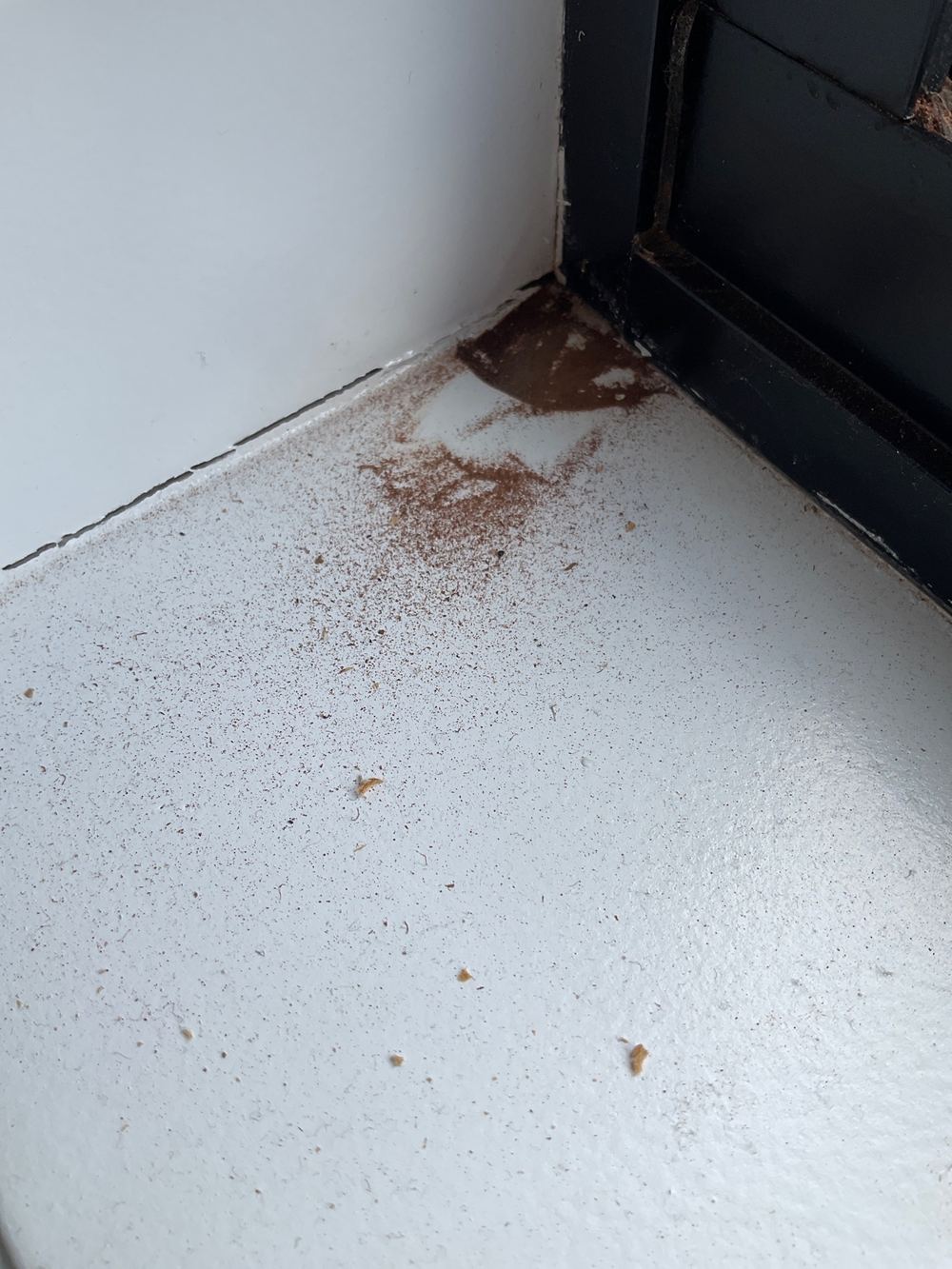
Timber dries, plaster shrinks and clay ground moves through its first wet and dry seasons. Fine cracks at cornices and window corners in the first year or two are common.
When a crack becomes a defect
The Guide to Standards and Tolerances 2015 sets out when cracking in plaster, masonry and slabs is a defect, based on width and visibility. Measuring the crack is what moves the conversation from opinion to fact.
Patterns that point to movement
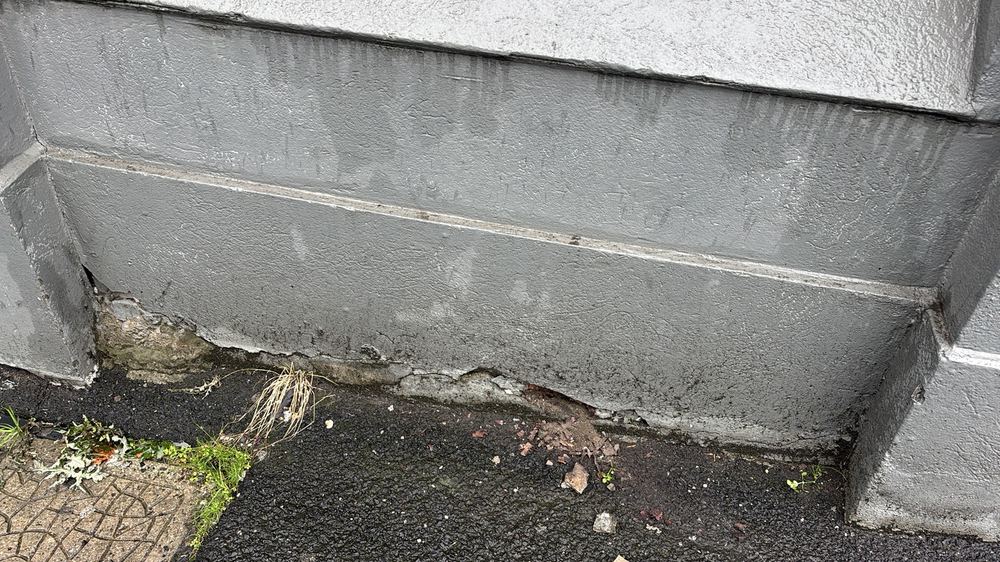
Diagonal cracks from window corners, doors that start binding and cracks that reopen after filling point to ground movement rather than shrinkage.
What drives movement on clay
Uneven moisture: downpipes discharging beside the footings, water pooling against the slab, or one side of the house watered heavily and the other left dry.
What we do
We map and measure cracks, check floor levels and plumb, look for drainage causes and record it all so the builder can respond.
Written by our local inspection team from work carried out in Strathtulloh. Licensed building practitioners, Building & Plumbing Commission registration CDB-U 53425.